Amir Ullah Khan Yaftali
1947 — 2025 · Polo Legend · Cultural Guardian · Political Kingmaker
Born to Serve
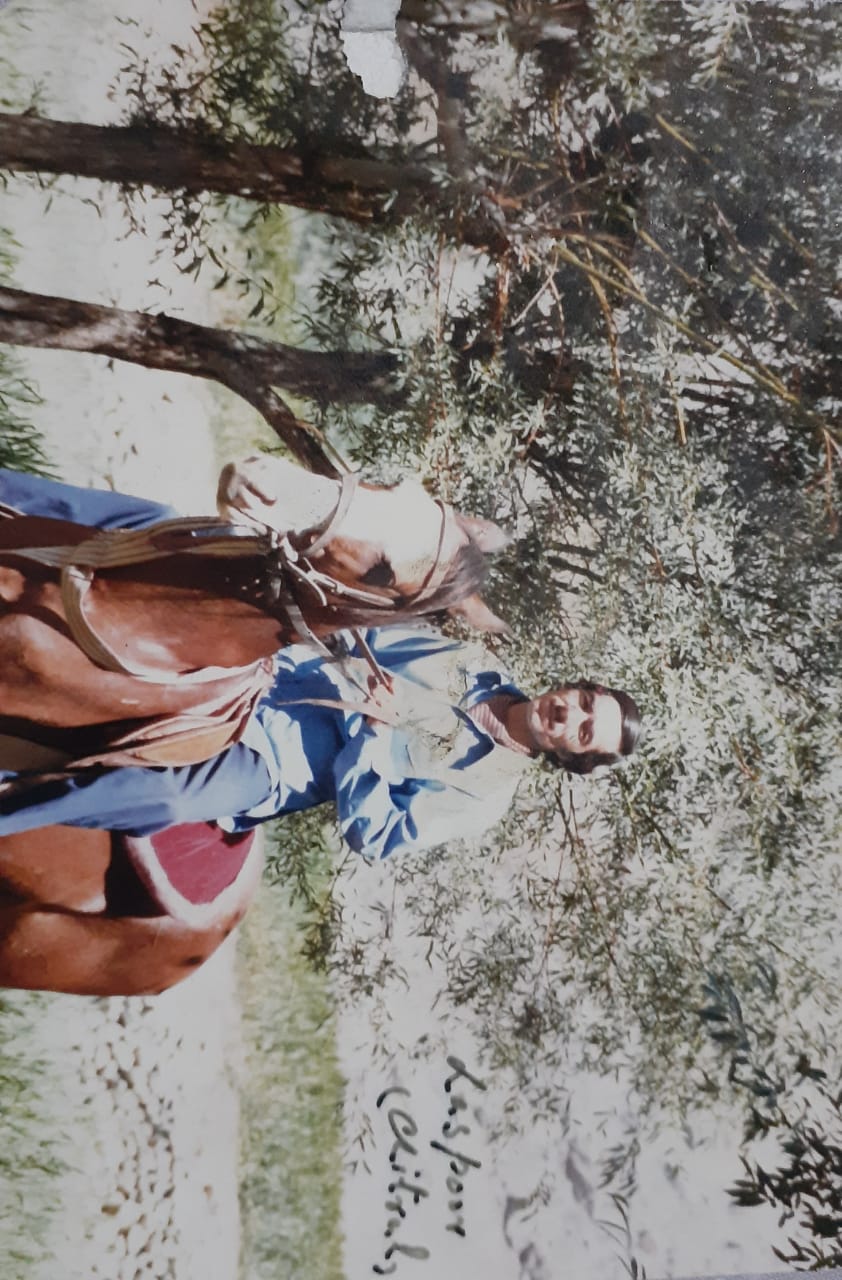
Amirullah Khan Yaftali was born around 1947 into the Bahramay tribe of Laspur Valley, a remote and breathtaking corridor in the extreme northeast of Chitral, Khyber Pakhtunkhwa. His village of Harchin sits at the mouth of the Shandur Pass, the ancient crossing point that links Chitral to Gilgit-Baltistan across the spine of the Hindu Kush mountains.
The Yaftali name carried weight long before Amirullah's time. His great-grandfather, Lieutenant Wilayat Khan, served the princely state of Chitral as a military officer who tactfully handled the arrival of British forces in 1895 and later fought in the Kashmir Jihad of 1948, earning the honorific title of “Ghazi” — warrior of faith.
His father, Subedar Gul Wali Khan, was known across the region as “Baba-e-Laspur” — the Father of Laspur. A man of legendary hospitality, Gul Wali Khan served as Union Council Chairman and welcomed every traveler crossing the Shandur Pass into his home.
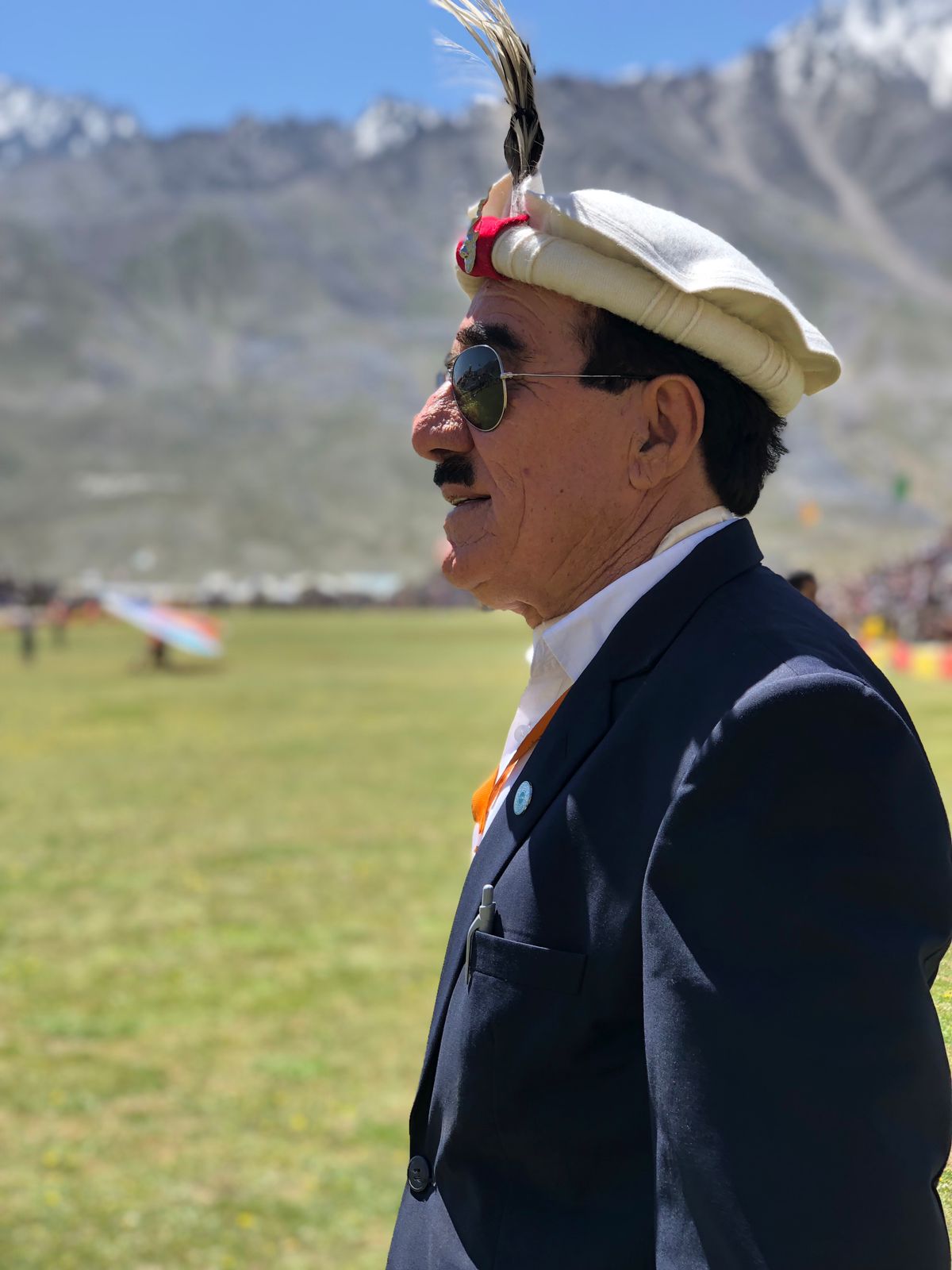
Amirullah inherited this tradition of service. After completing his education at Sindh Muslim College in Karachi — a journey that took him far from his mountain homeland — he returned to Laspur with a vision: to bring the region's scattered heritage into focus and bridge the communities separated by the Hindu Kush.
The Kingmaker
Yaftali's political awakening came in 1975 when he joined Air Marshal Asghar Khan's Tehreek-e-Istiqlal party, a movement rooted in democratic ideals. He quickly rose to become the party's district president for Chitral — a position that placed him at the center of the region's political life.
In 1979, he was elected as a District Council Member, a position he would hold for three consecutive terms. But his influence extended far beyond his own seat. Speakers at his condolence reference described him as the “kingmaker” of Chitral politics — “whose support guaranteed success in the electoral arena.”
What set him apart was loyalty. “He remained steadfast in politics and did not switch sides,” said those who worked alongside him. In a region where political alliances often shifted with the wind, Yaftali's constancy made him a pillar that others built upon.
For over 30 years, he also served on the Amaan (Peace) Committee of District Chitral, working to maintain harmony between the region's diverse Sunni and Ismaili communities — a delicate balance that required patience, respect, and deep local knowledge.
Polo Career
From player to captain to coach to referee — Yaftali's polo career spanned every dimension of Chitral's most sacred sport.
13 Consecutive Victories
In the Chitrali heartland, polo is not merely a sport — it is identity. Children learn to ride before they can write, and the sound of hooves on the polo ground is the rhythm of community life. It was in this world that Yaftali became a legend.
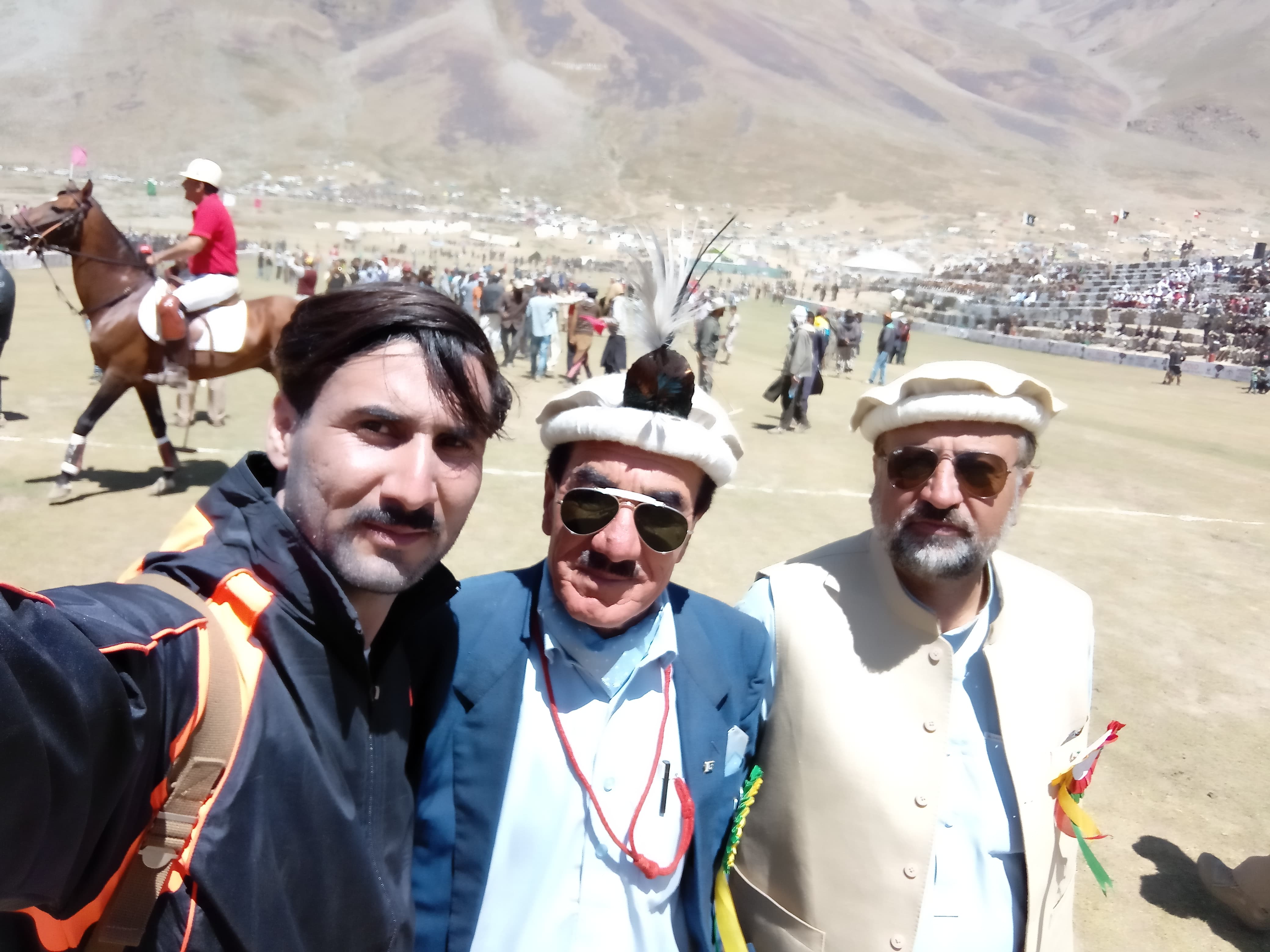
As captain of the Laspur Polo Team for 16 years, he led his riders to 13 consecutive victories at the Shandur Polo Festival — a record of dominance that cemented Laspur's name in the annals of freestyle polo.
When age drew him from the saddle, Yaftali transitioned seamlessly into mentorship. He served as Chitral's chief polo coach, training teams that would carry forward the traditions he had mastered. For 12 years, he served as the head referee at Shandur — the trusted arbiter of the “purest form of polo” on earth.
An Unparalleled Conservationist
Perhaps Yaftali's most enduring contribution was the creation of the Laspur Heritage Museum. For over five decades, he collected artifacts from across Chitral, Ghizer, and Central Asia — pottery dating to the 11th century, freestyle polo equipment, weaponry, farming tools, musical instruments, textiles, and indigenous woodcraft.
In May 2018, this lifelong collection found its permanent home in a purpose-built museum in Harchin Village. Designed by architect Zahra Hussain and Abdullah Aslam of Laajverd, the museum features the punjetan architectural pattern — five columns of deep spiritual significance to the local Ismaili community — with a central skylight following customary natural lighting traditions.
The condolence reference speakers called him “the first in Chitral and Gilgit-Baltistan to have established a full-fledged museum, preserving articles of material culture.”
The Open Door of Harchin
Like his father before him, Yaftali's home in Harchin was an open door. Every traveler crossing the Shandur Pass — whether a local shepherd, a government official, or a foreign journalist — found warmth, food, and shelter at the Yaftali household. This tradition of radical hospitality was documented by renowned Pakistani writer Mustansir Hussain Tarar in his book “Chitral Dastan.”
When Amirullah Khan Yaftali passed away on July 7, 2025, at the age of 81, the condolence reference drew people from “different cross-sections of life.” The speakers concluded that he excelled in “politics, polo, preservation of Khow culture, philanthropy, and tourism for six decades.”
Videos from the Legacy
Documentaries, museum tours, and cherished family moments that bring the Yaftali story to life.
Heritage Museum Laspur, Chitral Pakistan
Aik Banjara
Heritage Museum Laspur — Built by Amirullah Khan Yaftali
Upper Chitral Documentary
Heritage Museum Laspur — An Historical Place to Visit
Discover Pakistan TV
Heritage Museum Laspur Harchin, KPK
Earth Viewer
Yaftali Family Dance at Yaftali House Laspur
Qashqar Music — Chitrali Dhool
Yaftali Baba Dance — Nur Yaftali Marriage Celebration
Yaftali House Harchin
The Yaftali Family
Three generations of public service, military valor, and unmatched hospitality in the shadow of the Hindu Kush.
Lt. Wilayat Khan
Great-Grandfather
A lieutenant who served the princely state of Chitral, Wilayat Khan tactfully handled the arrival of British forces in 1895 during the Chitral Relief expedition. He later fought in the Kashmir Jihad of 1948, earning the title "Ghazi."
Subedar Gul Wali Khan
Father — "Baba-e-Laspur"
The "Father of Laspur" served as Union Council Chairman and was renowned for hospitality that transcended all boundaries. The Baba-e-Laspur Memorial Library in Harchin houses 24,000+ books in his honor.
Amir Ullah Khan Yaftali
The Subject of This Foundation
The culmination of a family legacy — polo champion, political kingmaker, heritage preservationist, and the visionary who helped bring the Shandur Polo Festival to the world stage.
Written Tributes
Personal accounts from those who knew him — a grandson, a chronicler, and a fellow writer.
Help Preserve What He Built
Your support ensures the museum, the polo traditions, and the cultural heritage of Laspur Valley endure for generations.