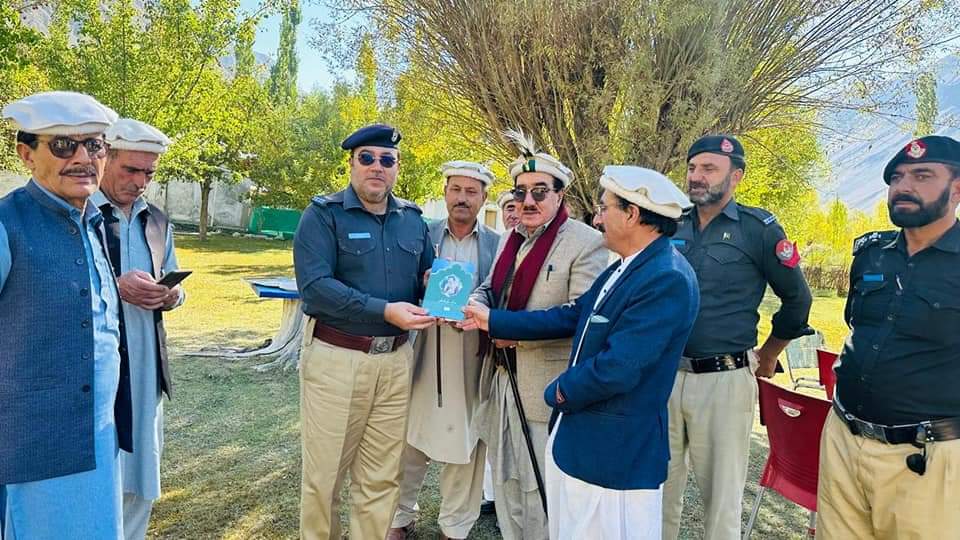
Shandur Polo Festival
The world's highest polo ground. Pakistan's most celebrated cultural festival.
Where the Sky Meets the Game of Kings
At 3,700 metres above sea level, where the air thins and the Hindu Kush pierces the clouds, lies a flat expanse of earth that has hosted the most dramatic sporting spectacle on the planet for nearly a century. This is Shandur Pass — known in the Khowar language as “Mas Junali,” the moonlit polo ground.
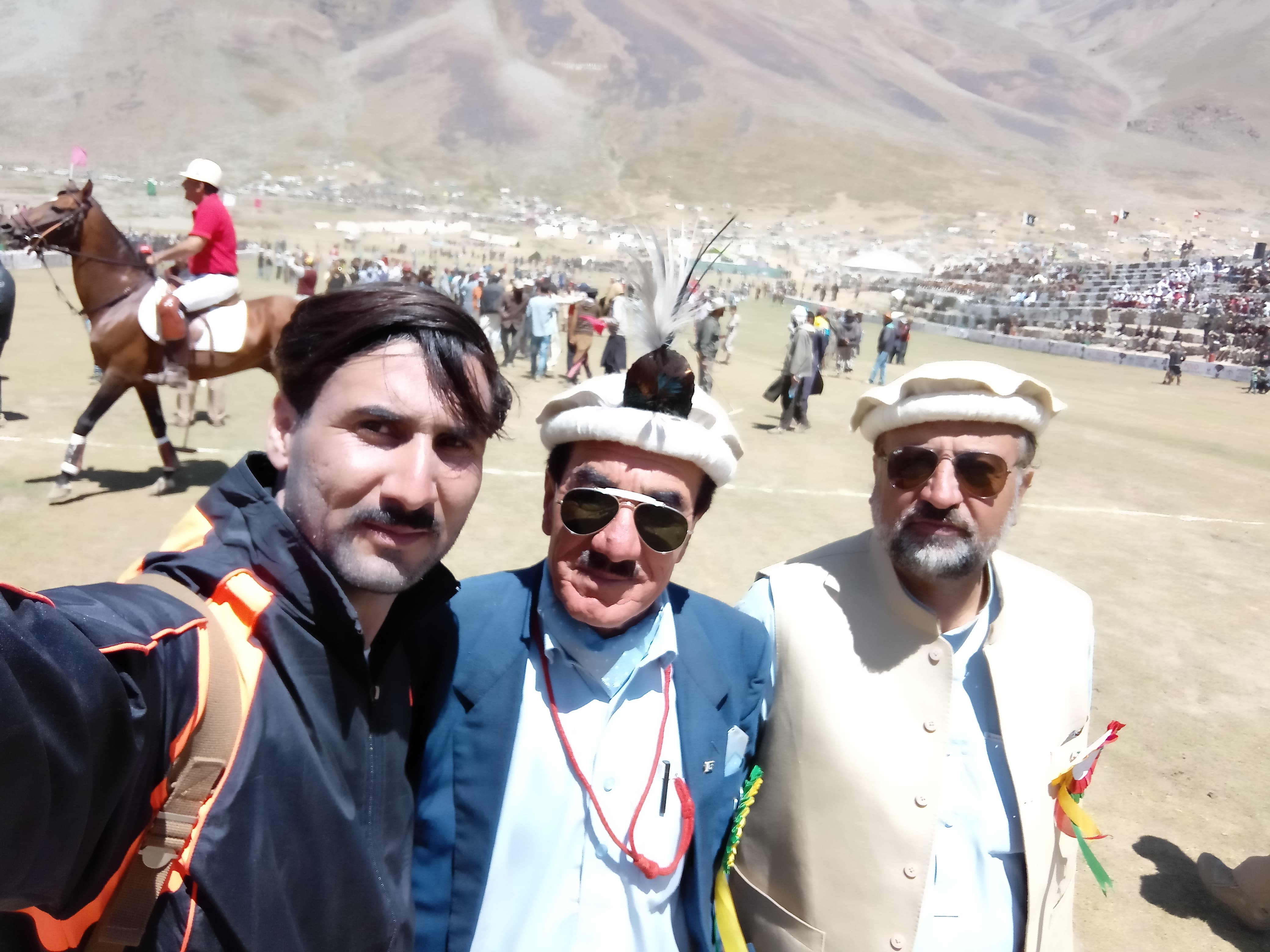
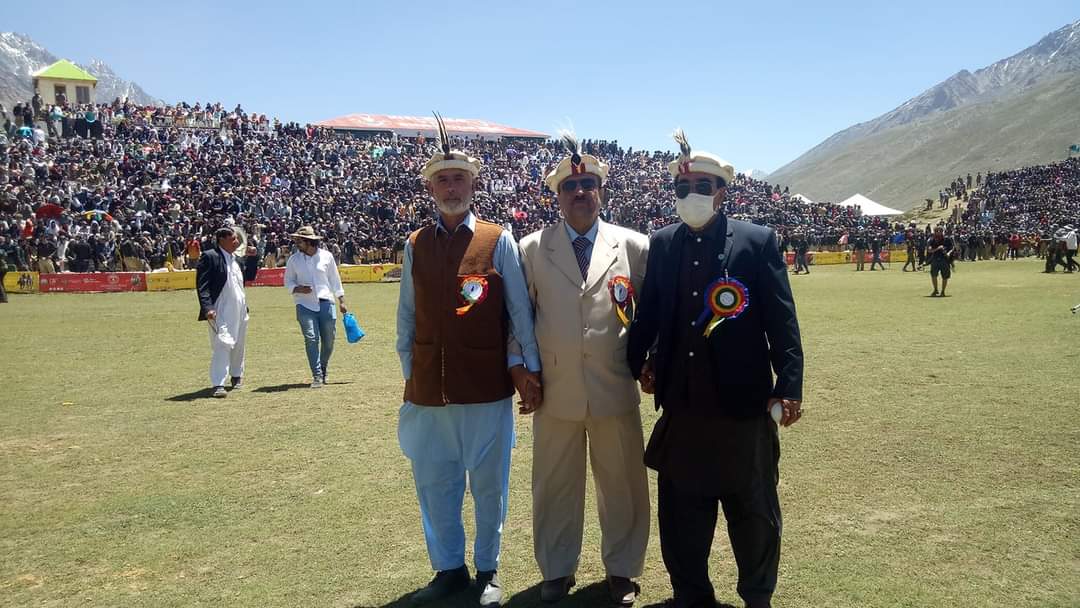
The Shandur Polo Festival is a three-day eruption of thundering hooves, pounding drums, and raw human courage. Two ancient rival regions — Chitral and Gilgit-Baltistan — send their finest horsemen to clash on this rooftop of the world.
In 2019, the festival drew a record 40,000 visitors, including 80 foreign tourists and a 13-member polo team from the United Kingdom.
A Festival Born of Empire, Revived by Passion
From a colonial officer's ambition to a national treasure — the Shandur Polo Festival has survived abandonment, revival, and transformation across nine decades.
The Ground is Born
Major Evelyn Hey Cobb, a British political agent stationed in Gilgit, orders the construction of a polo ground on the Shandur Pass at 3,700 metres.
The Ground is Born
Major Evelyn Hey Cobb, a British political agent stationed in Gilgit, orders the construction of a polo ground on the Shandur Pass at 3,700 metres.
First Annual Tournaments
Under British patronage, the first organized polo tournaments begin at Shandur. The tradition of freestyle polo is established from the very first match.
First Annual Tournaments
Under British patronage, the first organized polo tournaments begin at Shandur. The tradition of freestyle polo is established from the very first match.
Abandoned
When the British leave the subcontinent in 1947, the festival dies with their departure. For over three decades, the highest polo field lies unused.
Abandoned
When the British leave the subcontinent in 1947, the festival dies with their departure. For over three decades, the highest polo field lies unused.
Revival
Shahzada Sikandar ul Mulk organizes the first revival tournament. The ancient rivalry between Chitral and Gilgit is reignited.
Revival
Shahzada Sikandar ul Mulk organizes the first revival tournament. The ancient rivalry between Chitral and Gilgit is reignited.
Official Festival Status
The festival gains official recognition. Yaftali plays a key role in securing logistical and political support.
Official Festival Status
The festival gains official recognition. Yaftali plays a key role in securing logistical and political support.
Yaftali Secures Provincial Support
Through relentless advocacy, Yaftali lobbies provincial authorities to commit annual funding. The festival becomes a yearly institution.
Yaftali Secures Provincial Support
Through relentless advocacy, Yaftali lobbies provincial authorities to commit annual funding. The festival becomes a yearly institution.
National Calendar Status
The festival earns a place on Pakistan's national events calendar, drawing federal attention and growing crowds.
National Calendar Status
The festival earns a place on Pakistan's national events calendar, drawing federal attention and growing crowds.
First Live Broadcast
PTV broadcasts the festival live for the first time, expanding the audience from thousands to millions.
First Live Broadcast
PTV broadcasts the festival live for the first time, expanding the audience from thousands to millions.
Record Year
40,000 visitors, 80 foreign tourists, and a 13-member UK polo team. Featured by National Geographic and the BBC.
Record Year
40,000 visitors, 80 foreign tourists, and a 13-member UK polo team. Featured by National Geographic and the BBC.
Freestyle Polo — The Purest Form
Forget everything you know about polo. At Shandur, the game is played as it was meant to be played — wild, unregulated, and breathtaking. There are no formal rules. “Offences and foul play are abstained on an ethical basis,” as the tradition holds.
How It's Played
Ancient Origins
The roots of polo stretch back to Persia around 600 BC, where it was first played by nomadic warriors as training for cavalry units. From Persia, the game spread east along the Silk Road to Central Asia, China, and eventually to the mountain valleys of what is now northern Pakistan.
It was always called the “Game of Kings” — and at Shandur, it still is. Here, polo has never been domesticated by rules committees or safety officers. The horses charge without helmets on their riders; the mallet swings are full and fearless.
The Man Who Made It Permanent
Without Amir Ullah Khan Yaftali, the Shandur Polo Festival might have remained a sporadic curiosity rather than the national institution it became.
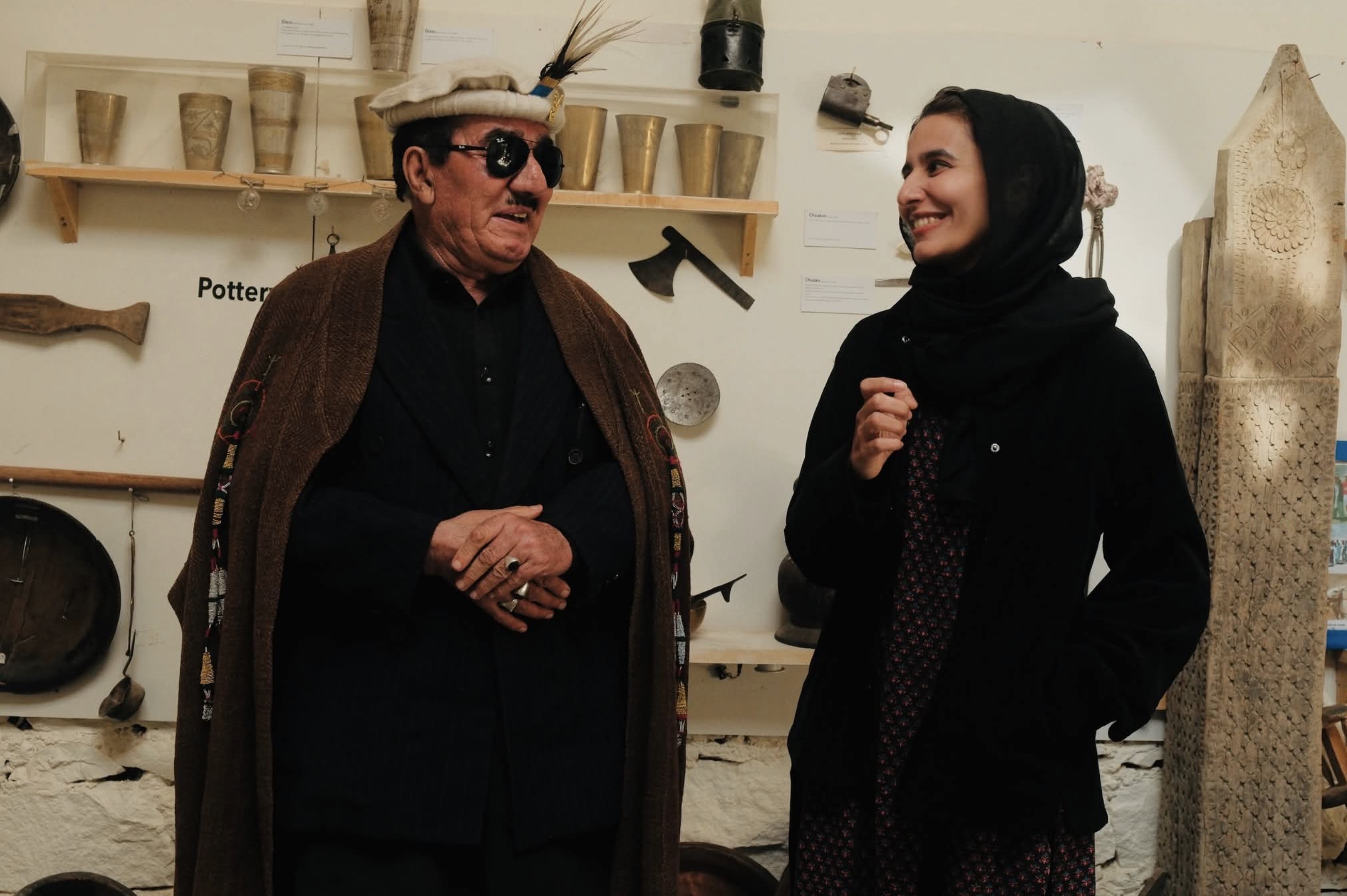
As captain of the Laspur team for 16 years, Yaftali led his riders to 13 consecutive victories — a record of dominance that made the Laspur name synonymous with Shandur polo excellence.
When age drew him from the saddle, he served 12 years as the festival's head referee — the trusted arbiter of a game with no written rules. He later became Chitral's chief polo coach, training the next generation of champions.
But his most consequential contribution was political. In the 1980s, Yaftali leveraged his connections to secure permanent provincial funding for the festival, transforming it from an ad-hoc event into an annual institution that drew national and then international attention.
Read Yaftali's Full StorySupport Shandur's Future
Your contribution helps train the next generation of polo champions, maintain the historic polo ground, and keep the Shandur tradition alive for centuries to come.