Dr Inayat Ullah Faizi
Author · Columnist · Tamgha-e-Imtiaz Recipient · Chronicler of Chitral
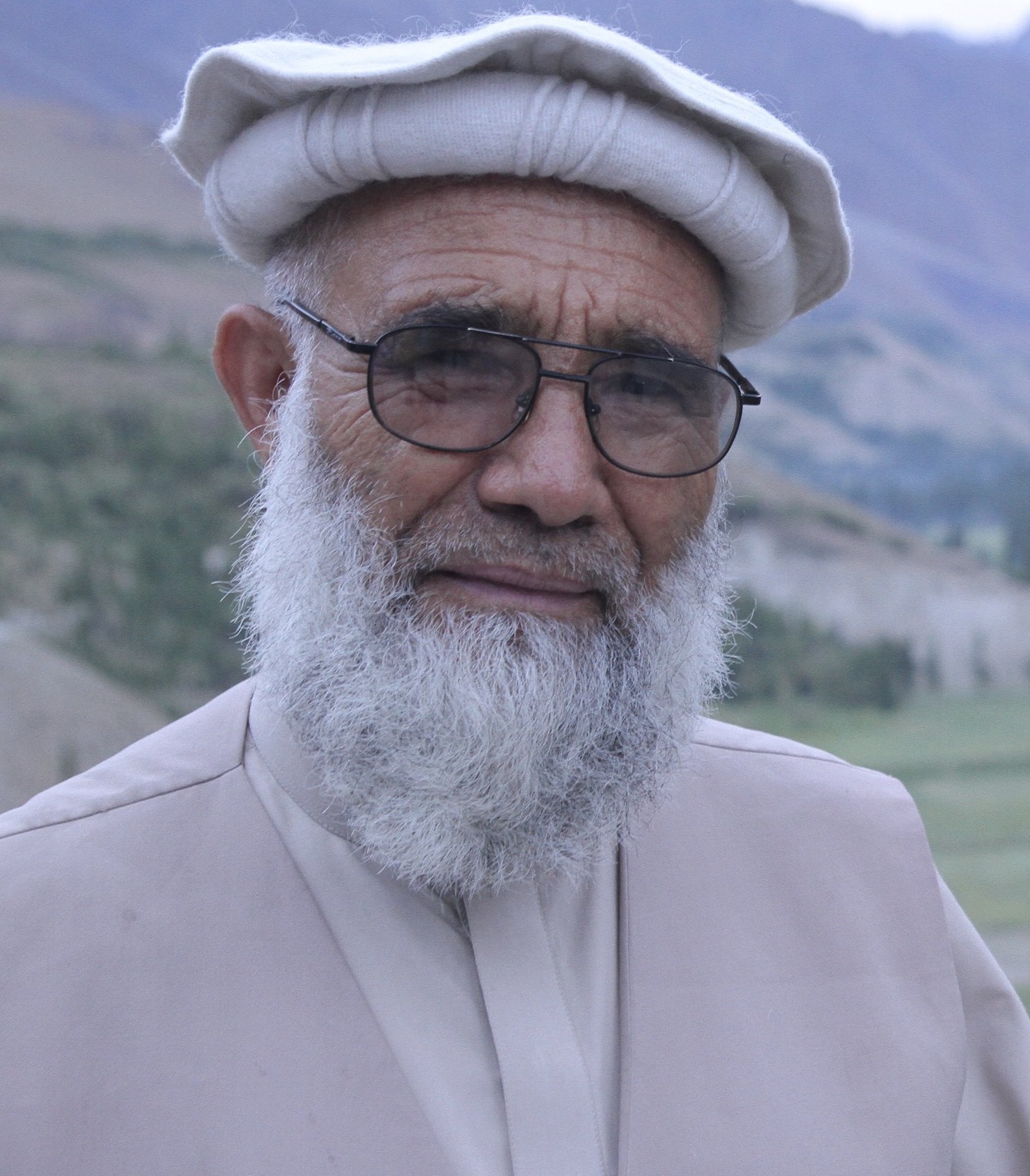
A Pen in Service of Heritage
Dr Inayat Ullah Faizi is a distinguished Chitrali author, journalist, and recipient of the Tamgha-e-Imtiaz — one of Pakistan's highest civilian honours. Through decades of writing, he has dedicated his pen to documenting the lives, traditions, and unsung heroes of Chitral and the Hindu Kush.
His celebrated book Chitral Ke Chand Naginay (— “A Few Gems of Chitral”) is a collection of his newspaper columns profiling the remarkable personalities who shaped the region's cultural and political landscape. Among the most significant profiles in the book is his tribute to the Yaftali patriarch: Gul Wali Khan, Baba-e-Laspur.
Dr Faizi's weekly column Dad-be-Dad in the national Urdu daily Daily Aaj has been a respected voice on Chitrali affairs, culture, and heritage for years.
Baba-e-Laspur — An Eight-Faceted Personality
The following is Dr Faizi's tribute to Gul Wali Khan (1916–2012), the patriarch of the Yaftali family, from Chitral Ke Chand Naginay, pages 152–155.
بابائے لاسپور — ہشت پہلو شخصیت
وہ پیدا ہوا توان کی مٹھی میں غلے کا آٹا ہوا تھا قیافہ شناسوں نے کہا بڑا ہو کر دولت مند، ثروت مند اور صاحب اولاد ہو گا۔ ان کی وفات ہوئی توان کی دولت اور ثروت کا شمار نہیں تھا بیٹیوں، بیٹوں، پوتوں، نواسوں اور پڑپوتوں کی تعداد 63 تھی۔ نام گل ولی خان تھا لوگ پیارے سے انہیں بابائے لاسپور کہتے تھے عہدے کے لحاظ سے پہلے صوبیدار تھے پھر بی ڈی کے ممبر بنے پھر یونین کونسل کے چیئرمین منتخب ہوئے یفتالی ان کا لقب ٹھہرا۔ خیبر پختونخوا کے ضلع چترال سے گلگت جانے والی شاہراہ پر وادی لاسپور میں ہرچین ان کا مسکن تھا اپنی قد آور شخصیت کی وجہ سے نواب محمد اکبر خان بگٹی اور صدام حسین کی طرح بڑے آدمی تھے ترس اور طمع کو پیچھا رکھتے تھے سخاوت میں خاتم طائی اور رجبریں حجاج بن یوسف کے ہم پلے تھے۔ ان کی شخصیت ہر لحاظ ہشت پہلو تھی 4 جون 1916 کو پیدا ہوئے 14 اگست 2012 کو 96 سال کی عمر میں وفات پائی۔
ان کا قبیلہ بہرائے کابل کے نواح سے آ کر چترال میں آباد ہوا آباؤاجداد نے زمینداری کے ساتھ ساتھ سپہ گری کو پیشہ بنایا۔ ریاستی حکمرانوں کے حکم سے جنگی مہموں میں حصہ لیا شادولی خان اور ولایت خان نامور لوگ گزرے ہیں۔ ان کے والد ولایت خان ریاستی باڈی گارڈ میں صوبیدار تھے 1948ء کے جہاد کشمیر میں ان کو لفٹنٹ کا عہدہ دیا گیا ان کے خاندان کو ریاستی حکمران ہز ہائی نس محمد ناصر الملک کی بیٹی کی رضاعت کا شرف بھی حاصل ہوا۔
بابائے لاسپور کی شخصیت کے بعض پہلو حیرت انگیز اور تعجب خیز تھے۔ موصوف اگرچہ معروف معنوں میں خواندہ نہیں تھے تاہم ریڈیو پر خبریں اور تبصرے بالاناغہ سنتے تھے اس لیے ملکی امور اور عالمی سیاست پر ان کی گہری نظر تھی۔ سیاسی اور سفارتی امور پر یقیر حاصل تجربہ کرتے اور اکثر اوقات اس موضوع پر ان کی پیش گوئیاں حرف بحرف درست ثابت ہوتی تھیں۔ دوسری خوبی یہ تھی کہ ان کا دسترخوان بہت وسیع تھا۔ سخاوت اور فیاضی میں ان کی خاص شہرت تھی اس حوالے سے وہ امیر اور غریب میں تمیز نہیں کرتے تھے۔
ہز ہائی نس، گورنر، کمشنر، ڈی آئی جی، ایس پی، وفاقی وزیر یا ڈپٹی کمشنر کے لیے 22 اقسام کے کھانے دسترخوان پر آتے تو ایک عام مہمان کے لیے اسی طرح کا اہتمام ہوتا۔ ان کے ناشتے کا مینیو عموماً 18 اقسام کے کھانوں پر مشتمل ہوتا تھا جس میں ابلے ہوئے دودھ، گھی اور دیگر اشیائے خوراک کے رنگا رنگ نمونوں کے ساتھ پھلوں کا تازہ رس اور شہد بھی موجود ہوتا۔ عموماً ناشتے میں انڈے کے 3 آئٹم گوشت کے 3 آئٹم اور دودھ پنیر، بالائی وغیرہ کے پانچ آئٹم ہوتے تھے۔ ان کا یہ ریکارڈ تھا کہ انہوں نے مہمان کے بغیر کبھی کھانا نہیں کھایا۔
محمد ایوب خان نے 1960ء میں بنیادی جمہوریتوں کا نظام متعارف کرایا تو تین بار اپنے حلقے سے بی ڈی کے ممبر منتخب ہوئے۔ بعد ازاں 1979ء میں جنرل ضیاء الحق نے اوکل گورنمنٹ کے انتخابات کرائے تو ایک بار ممبر اور دو بار یونین کونسل کے چیئرمین منتخب ہوئے۔ ان کے بیٹے امیراللہ خان یفتالی کو تین بار مسلسل اپنے حلقے سے ڈسٹرکٹ کونسل کا ممبر منتخب کیا گیا۔
خیبر پختونخوا کی تاریخ میں بابائے لاسپور کا شمار ایسی شخصیات میں ہوتا ہے جنہوں نے عام آدمی کے لیے تحریکیں چلائیں۔ 15 سالوں تک وہ پبلک یونین کے سر کردہ لیڈر رہے۔ پبلک یونین کو انہوں نے ٹُفت یونین میں بدل دیا “ٹُفت” چترالی زبان کھوار میں “عوام” کے لیے استعمال ہوتا ہے۔
انہوں نے اپنی اولاد کو اعلیٰ تعلیم سے آراستہ کیا۔ ان کے ایک بیٹے نے تاریخ میں دو نے پولیٹیکل سائنس میں ایک نے فلسفے میں اور ایک نے جرنلزم میں ایم اے کیا۔ ان کے ایک پوتے نے ایم بی بی ایس کیا۔ پوٹی میڈیکل کالج میں ہے۔ ایک پوتا ایم کام کرنے کے بعد بینکر ہے۔ ایک پوتا ایم اے ایم ایڈ کرنے کے بعد یونیورسٹی کی سطح پر درس و تدریس سے وابستہ ہے۔ ان کے 22 پوتے اور 15 پوتیاں سکول سے لے کر یونیورسٹی کی سطح پر تعلیم حاصل کر رہی ہیں۔
قیافہ شناسوں نے سچ کہا بابائے لاسپور پیدائش کے وقت اپنی مٹھی میں غلے کا آٹا ہوا دانہ لیکر آیا تھا وہ دولت، ثروت، عزت، اقبال مندی اور خوشحالی کا مژدہ تھا۔ ایسی ہشت پہلو شخصیت بہت کم پیدا ہوتی ہیں۔ ان کے بیٹے امیر اللہ خان یفتالی نے ہرچین میں ورثہ عجائب گھر بنا کر ان کی بڑی یادگار قائم کی ہے۔
— ڈاکٹر عنایت اللہ فیضی (تمغہ امتیاز)، چترال کے چند نگینے، صفحات ۱۵۲–۱۵۵
English Translation
When he was born, there was grain in his fist — and the physiognomists said he would grow to be a man of wealth, prosperity, and many descendants. When he passed away, his wealth and prosperity were beyond count, and his sons, daughters, grandsons, granddaughters, and great-grandchildren numbered sixty-three. His name was Gul Wali Khan, though the people lovingly called him Baba-e-Laspur — the Father of Laspur.
By official rank, he served first as Subedar, then as a BD member, then was elected Chairman of the Union Council, and the title “Yaftali” became his. On the highway from Chitral to Gilgit, in the village of Harchin in Laspur Valley, stood his home. In stature he was comparable to Nawab Muhammad Akbar Khan Bugti and Saddam Hussain — great men who kept pity and greed at arm's length. In generosity he rivaled Hatim Tai, and in authority, Hajjaj bin Yusuf. His personality was, in every respect, hasht pahlu — eight-faceted.
He was born on 4 June 1916 and passed away on 14 August 2012, at the age of ninety-six.
His clan had migrated from the environs of Kabul and settled in Chitral. Alongside farming, his forefathers took up soldiering as a profession, participating in military campaigns by order of the royal rulers. Shadoli Khan and Walayat Khan were notable men among them. His father, Walayat Khan, served as Subedar in the royal bodyguard and was given the rank of Lieutenant during the 1948 Kashmir Jihad. The family also had the honour of nursing a daughter of His Highness Muhammad Nasir-ul-Mulk, the ruler of Chitral — a privilege reserved for only the most trusted families.
Some aspects of Baba-e-Laspur's personality were truly astonishing. Although not formally educated in the conventional sense, he listened to radio news and commentaries without fail, giving him a sharp grasp of national affairs and world politics. His predictions on political and diplomatic matters proved, letter for letter, correct. His second great quality was his legendary hospitality — his dastarkhwan (dining spread) was vast beyond measure. In this generosity, he made no distinction between rich and poor.
When His Highness, the Governor, Commissioner, DIG, SP, a Federal Minister, or Deputy Commissioner came to dine, twenty-two types of dishes were served. For an ordinary guest, the same arrangement was made. His breakfast menu typically comprised eighteen items — including boiled milk, ghee, a colourful array of foodstuffs, fresh fruit juices, and honey. Generally, breakfast featured three egg items, three meat items, and five items of milk, cheese, cream, and the like. He held a record that was a point of pride: he never once ate a meal without a guest at his table.
When Muhammad Ayub Khan introduced the Basic Democracies system in the 1960s, Baba-e-Laspur was elected BD member three consecutive times. Later, when General Zia-ul-Haq held local government elections in 1979, he was elected once as a member and twice as Chairman of the Union Council. His son, Amir Ullah Khan Yaftali, was elected three consecutive times as a member of the District Council from his constituency.
In the history of Khyber Pakhtunkhwa, Baba-e-Laspur is counted among those personalities who launched movements for the common man. For fifteen years, he led the Public Union as its foremost leader. He renamed it the “Tuft Union” — tuft being the Khowar (Chitrali) word for awam, “the people.”
He ensured his children received the highest education. One son earned an MA in History, two in Political Science, one in Philosophy, and one in Journalism. One grandson completed an MBBS. A granddaughter is enrolled in medical college. One grandson became a banker after completing his M.Com. Another teaches at university level after completing an MA and M.Ed. Twenty-two grandsons and fifteen granddaughters are studying from school to university level.
The physiognomists spoke truly: Baba-e-Laspur came into this world with grain in his fist — a portent of wealth, prosperity, honour, good fortune, and happiness. Such eight-faceted personalities are rarely born. His son, Amir Ullah Khan Yaftali, has built the Heritage Museum in Harchin, establishing a lasting memorial to his father's legacy.
— Dr Inayat Ullah Faizi (Tamgha-e-Imtiaz), Chitral Ke Chand Naginay, pp. 152–155
The Dad-be-Dad Column
Dr Faizi's column Dad-be-Dad in the national daily Daily Aaj, featuring his writing on the Yaftali family and the Heritage Museum.
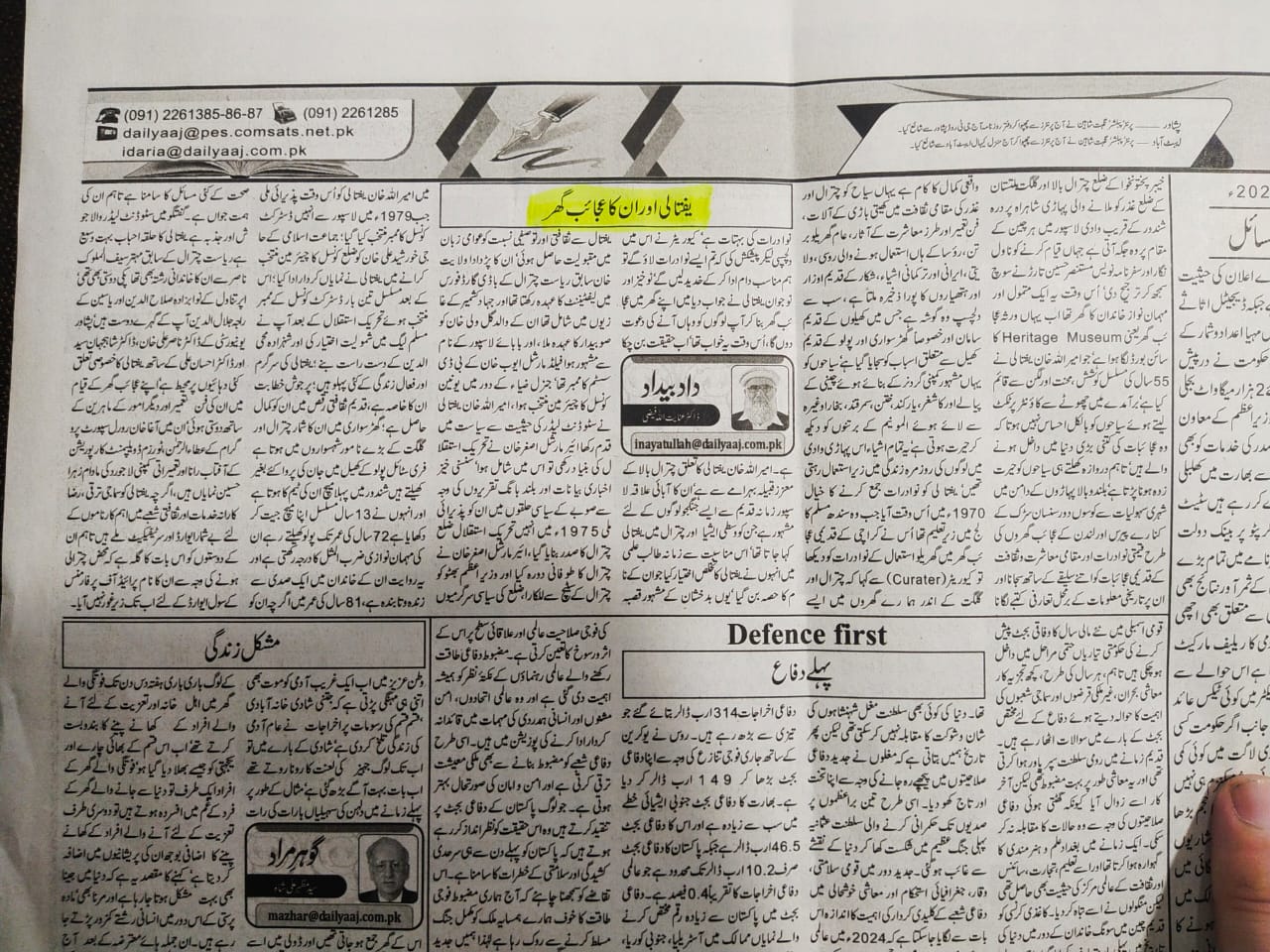
Dr Faizi's column “یفتالی اور ان کا عجائب گھر” (Yaftali and Their Museum) from the Daily Aaj newspaper
Chitral Ke Chand Naginay
“A Few Gems of Chitral” — a collection of Dr Faizi's newspaper columns profiling remarkable Chitrali personalities.
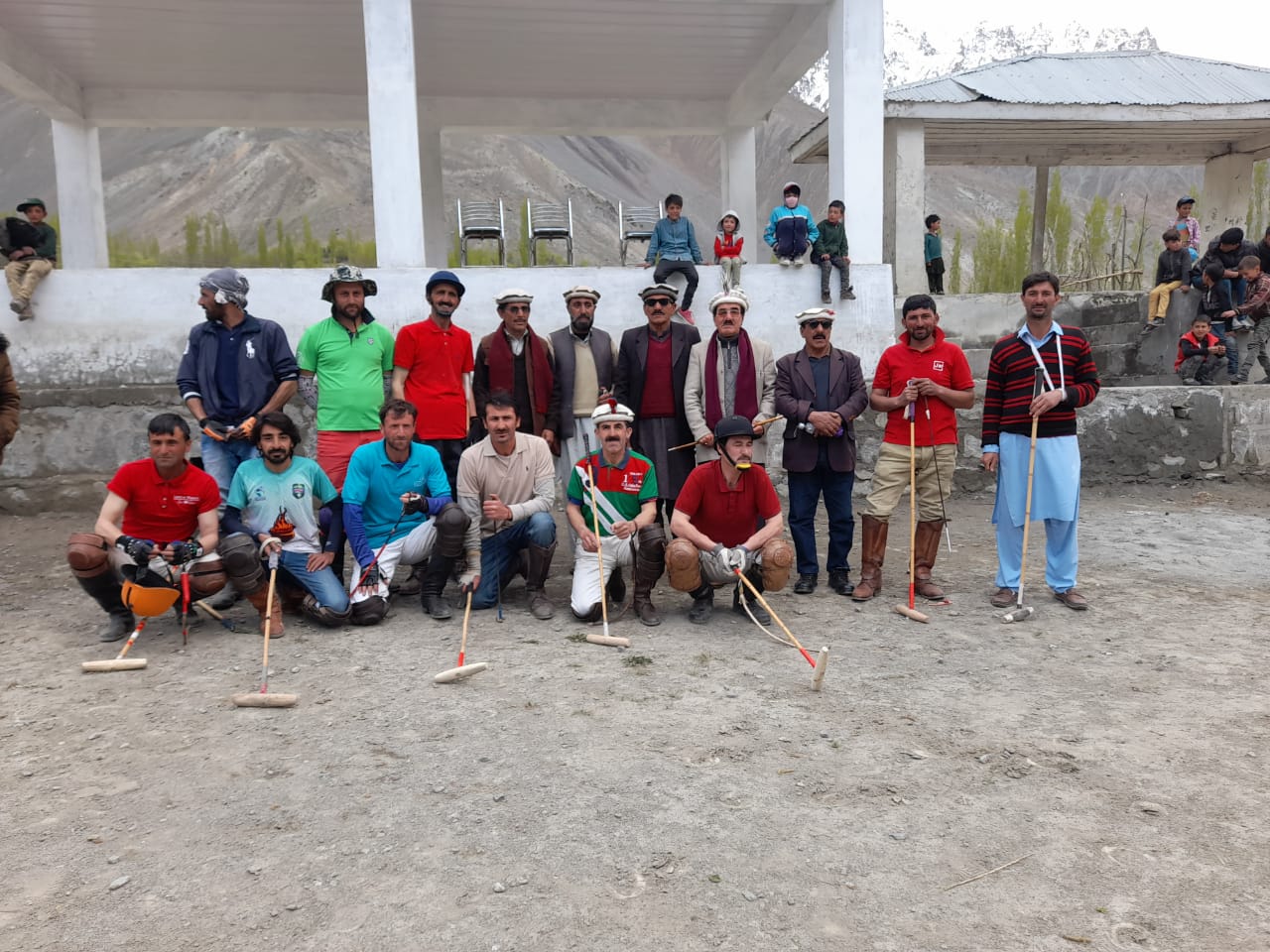
Discover the Legacy
Explore the Heritage Museum that Amir Ullah Khan Yaftali built in honour of his father, Baba-e-Laspur — the man Dr Faizi calls an “eight-faceted personality.”